
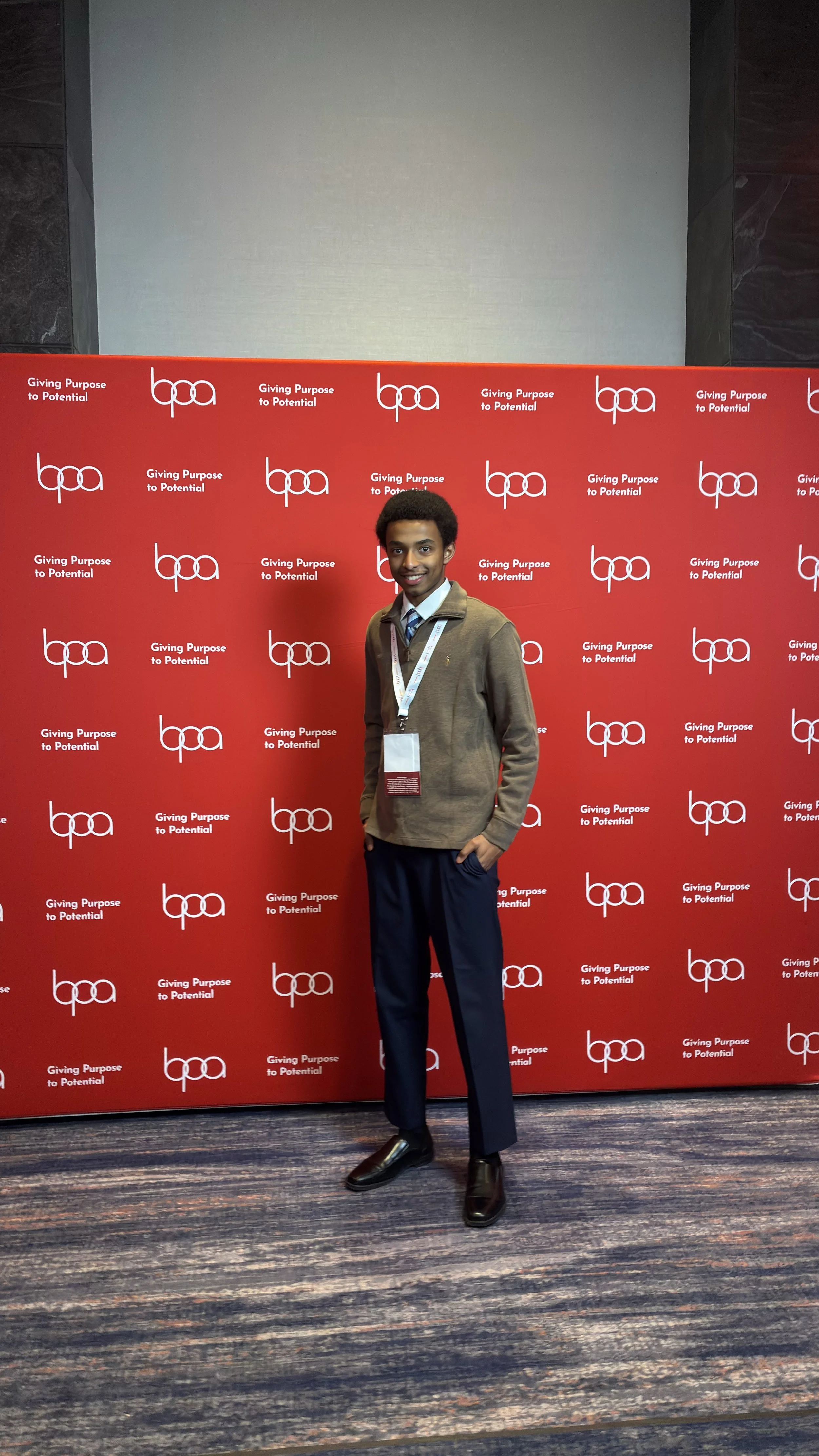
Hi, I’m Abdulbasit Muhamed.
Abdulbasit Muhamed is a high school senior and writer sharing personal stories, honest reflections, and fresh perspectives on growing up, navigating life, and figuring out what comes next. Over the past year, he has been publishing articles aimed at giving a genuine voice to the teenage experience. He is also the creator of a weekly newsletter sent to readers looking for unfiltered stories from the next generation. Click here to read the latest essays and subscribe.
Currently pursuing B.S. in Neuroscience and B.A. in Public Health
Grew his love for journalism from his father as he was an Author
Is OBSESSED with United States history (I know, weird)
Works as a pediatric CNA
About Me
Welcome to My Site
I’m Abdulbasit Muhamed, a high school senior at Blaine High School with a passion for political discourse. Here, I ramble. Topics vary from policy, modern politics, and the complex socio-political climate, tackling the core question of what it means to be American in 2026, as well as other things on my mind.
Beyond the Blog
Outside of political commentary, you can usually find me playing soccer, working out, and participating in community service. Feel free to read my latest posts, check out my full background on the About page, or reach out directly via Email or LinkedIn.
My Approach
What began as an independent writing effort has grown into a focused space for research and reflection. Central to this project are two core areas of study: analyzing American healthcare policy and documenting the contemporary teenage experience.
What shapes this work is a commitment to objective inquiry. Rather than approaching complex social and political questions with pre-packaged answers, the goal is to examine policy frameworks, explore diverse youth perspectives, and present information with clarity, nuance, and purpose.
Transparent Journalism
Grounded in transparency, built for depth. Dedicated to producing thoughtful, commentary on different topics.
Lasting impact
Critical policy and social questions are rarely simple, and they shouldn't be treated that way.